
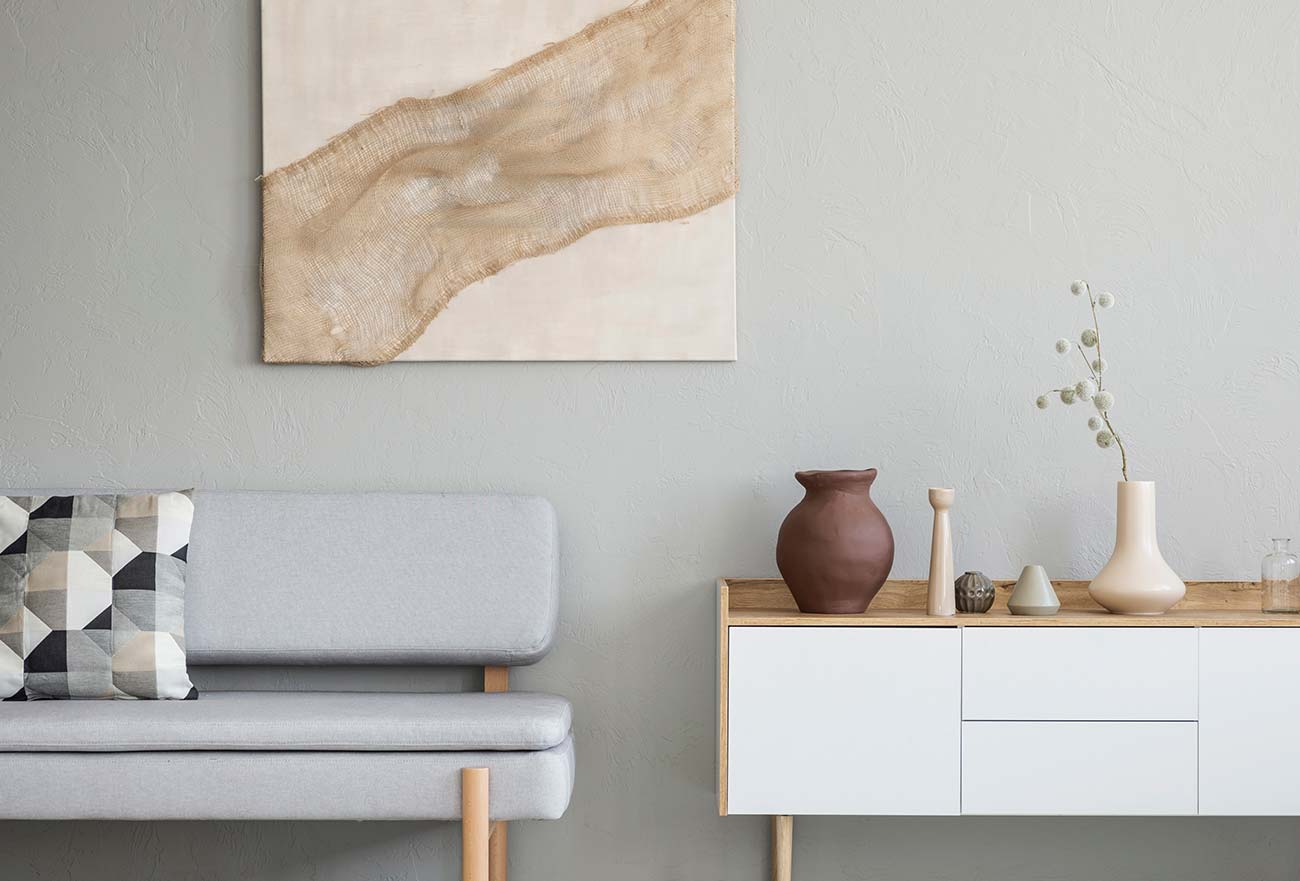
Embracing Indian Heritage
Incorporating Traditional Indian Design Techniques in Modern Interiors India’s rich cultural heritage and diverse artistic traditions provide a vast source of inspiration for interior design. At Millennium Interiors, we believe that combining traditional Indian design techniques with contemporary aesthetics can create unique and captivating living spaces. This fusion not only preserves cultural legacy but also adds warmth, vibrancy, and character to modern homes. In this blog, we explore how to incorporate traditional Indian design techniques into modern interiors, ensuring a harmonious blend of old and new.
1. Vibrant Color Palettes
Indian interiors are known for their bold and vibrant colors. Traditional Indian color schemes often include rich reds, vibrant yellows, deep blues, and lush greens. These colors can be used to create focal points in a modern home, adding energy and personality to any room.
- Walls and Accent Pieces: Paint an accent wall in a bold color or use vibrant wallpapers with traditional patterns. Incorporate colorful cushions, rugs, and curtains to add splashes of color.
- Balance with Neutrals: To prevent the space from becoming overwhelming, balance vibrant colors with neutral tones like beige, white, or grey.
2. Intricate Patterns and Textiles
Indian textiles are renowned for their intricate patterns and craftsmanship. Incorporating these textiles into modern interiors can add depth and texture.
- Fabrics and Upholstery: Use block-printed fabrics, sarees, and handwoven rugs for upholstery, cushions, and drapery. These textiles can bring a touch of traditional elegance to your furniture.
- Mix and Match: Don’t be afraid to mix different patterns and textures. Indian design often embraces a mix of florals, geometric patterns, and paisleys.
3. Handcrafted Furniture
Handcrafted wooden furniture is a staple in traditional Indian interiors. These pieces are not only beautiful but also durable and timeless.
- Statement Pieces: Incorporate handcrafted furniture like carved wooden chairs, coffee tables, and cabinets. These pieces can serve as statement elements in a modern setting.
- Modern Finishes: Combine traditional craftsmanship with contemporary finishes and materials to create furniture that fits seamlessly into modern interiors.
4. Decorative Art and Crafts
Traditional Indian art forms like Madhubani, Warli, and Pattachitra can add cultural depth to your decor.
- Wall Art: Use traditional paintings and artworks as focal points on your walls. These pieces can add a splash of color and cultural richness.
- Handcrafted Accessories: Decorate with handcrafted pottery, sculptures, and artifacts. These items can serve as unique decor pieces that reflect Indian heritage.
5. Ethnic Motifs and Accessories
Traditional Indian motifs such as paisleys, mandalas, and elephant designs can be seamlessly incorporated into modern interiors.
- Soft Furnishings: Use ethnic motifs in soft furnishings like bedspreads, throw pillows, and curtains. These patterns add a touch of tradition and charm.
- Decorative Items: Incorporate accessories like brassware, lanterns, and vintage mirrors. These elements can add a touch of exotic elegance to your space.
6. Natural Materials and Sustainable Practices
Traditional Indian interiors often utilize natural materials like wood, stone, and clay, which are both sustainable and aesthetically pleasing.
- Sustainable Choices: Opt for furniture and decor made from eco-friendly materials. Bamboo, jute, and reclaimed wood are excellent choices that echo traditional Indian design.
- Earthy Elements: Use stone flooring, wooden beams, and clay pots to bring a natural, rustic feel to your home.
7. Sacred Spaces and Zen Corners
Indian homes often include sacred spaces for meditation and prayer. Creating a serene and spiritual corner in your modern home can enhance tranquility and well-being.
- Pooja Rooms: Design a small pooja room or altar using traditional elements like brass lamps, incense holders, and statues of deities.
- Meditation Corners: Create a meditation space with comfortable seating, soft lighting, and calming decor. Incorporate elements like cushions, rugs, and plants to enhance the ambiance.
8. Case Studies: Fusion Designs
Showcasing real-life examples of homes that successfully blend traditional Indian and modern design can provide inspiration and practical insights.
- Inspiration from Clients: Highlight case studies of clients who have incorporated traditional Indian elements into their modern homes. Share before and after photos, design challenges, and solutions.
- Designer Insights: Provide insights from Millennium Interiors’ designers on how to achieve a harmonious blend of old and new. Discuss the creative process and the benefits of integrating Indian heritage into contemporary spaces.
Conclusion
Indian interior design offers a unique blend of tradition, artistry, and vibrancy that can enrich modern living spaces. By thoughtfully incorporating traditional Indian design techniques, homeowners can create interiors that are not only beautiful but also culturally resonant and deeply personal. At Millennium Interiors, we are passionate about bringing the best of Indian heritage into contemporary homes. Ready to infuse your space with cultural richness and timeless elegance? Contact Millennium Interiors today to start your journey towards a beautifully blended home
Leave a Reply